Want to know how good a hiking trail is before putting on your boots? Well, the “Traumschleife” trails in Germany have an “Erlebnispunkte” (“experience point”) system that allow you to do exactly that. It’s very simple: each trail is awarded a “score” out of 100 based on a detailed evaluation by hiking experts. The higher the score, the “better” the trail is.
There are many factors at play to determine a trail’s exact “Erlebnis” rating. There are, of course, obvious attributes such as scenic beauty and points of interest, but also more subtle components like variety, quality of signage and peacefulness. Trails with 70+ points are considered to be very good, while those with 85+ points are exceptional, among the very best in the region.
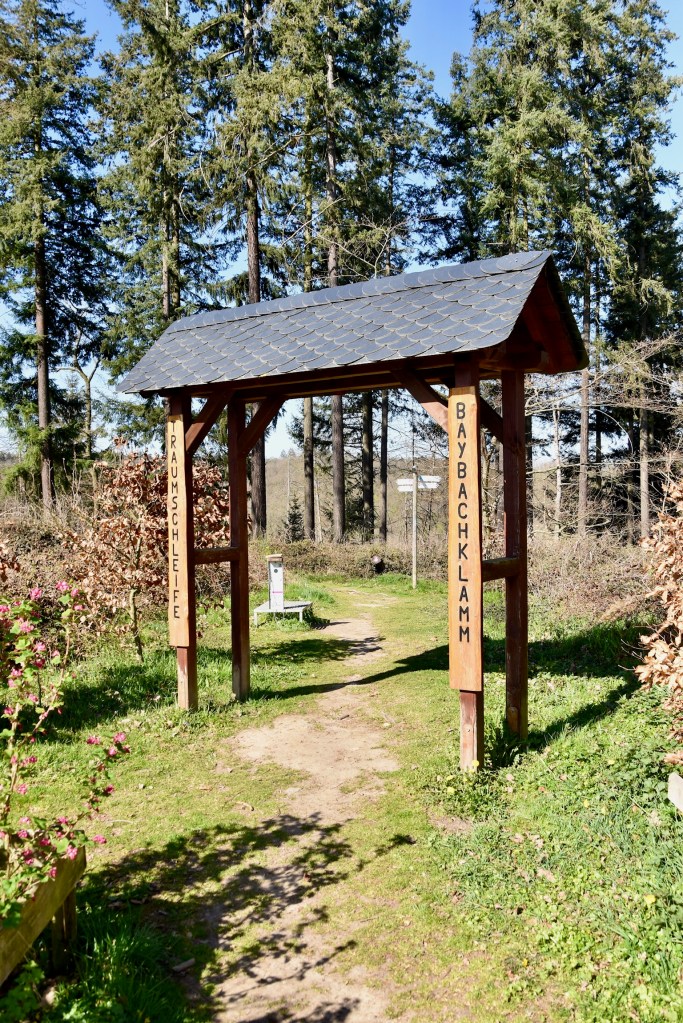
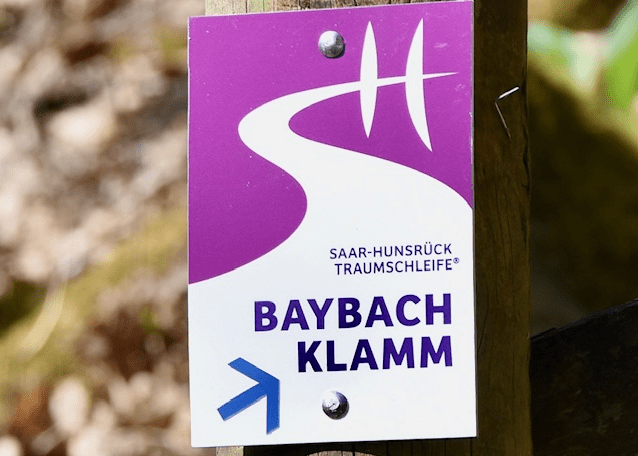
The Traumschleife Baybachklamm trail gets a whopping “Erlebnispunkte” score of 95(!), which is among the very highest I’ve ever seen. So… is it worth the plaudits?
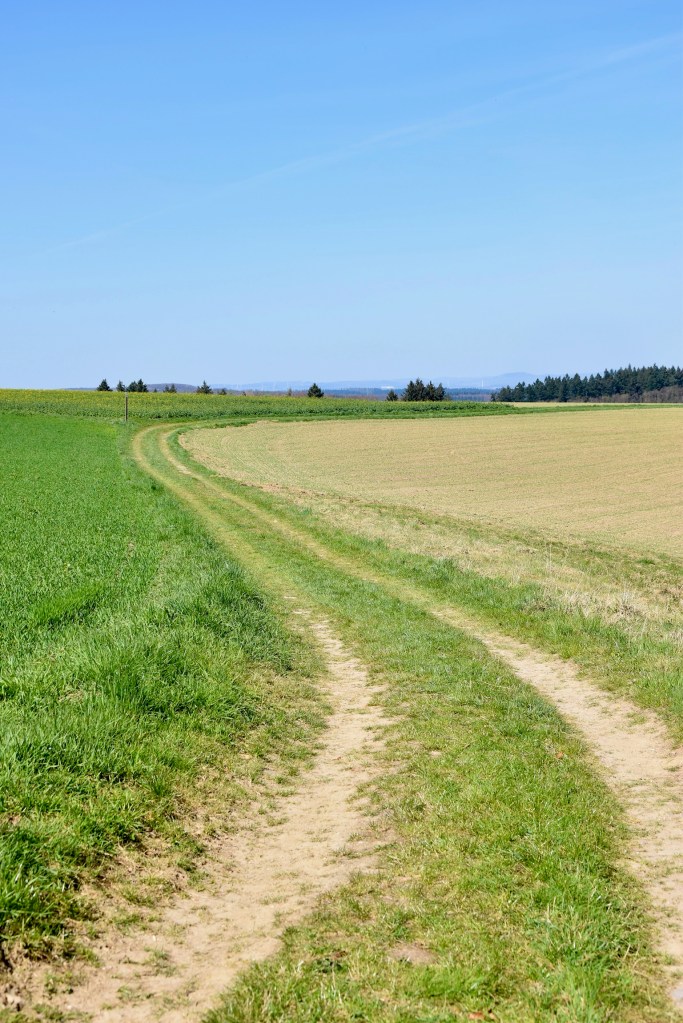
The answer is, resoundingly, yes!!… BUT… this isn’t totally obvious in the first few kilometres. From the starting point (plenty of parking space; there’s a few Erlebnispunkte right there) the trail plunges steeply into a typical Hunsrück valley and doesn’t hang around much at all before soaring back up the other side again. Altitude difference is indeed a secondary factor in “Erlebnispunkte” calculation, so this racks up another few points (without particularly adding to the hiking experience) and gets those leg muscles nicely warmed-up.
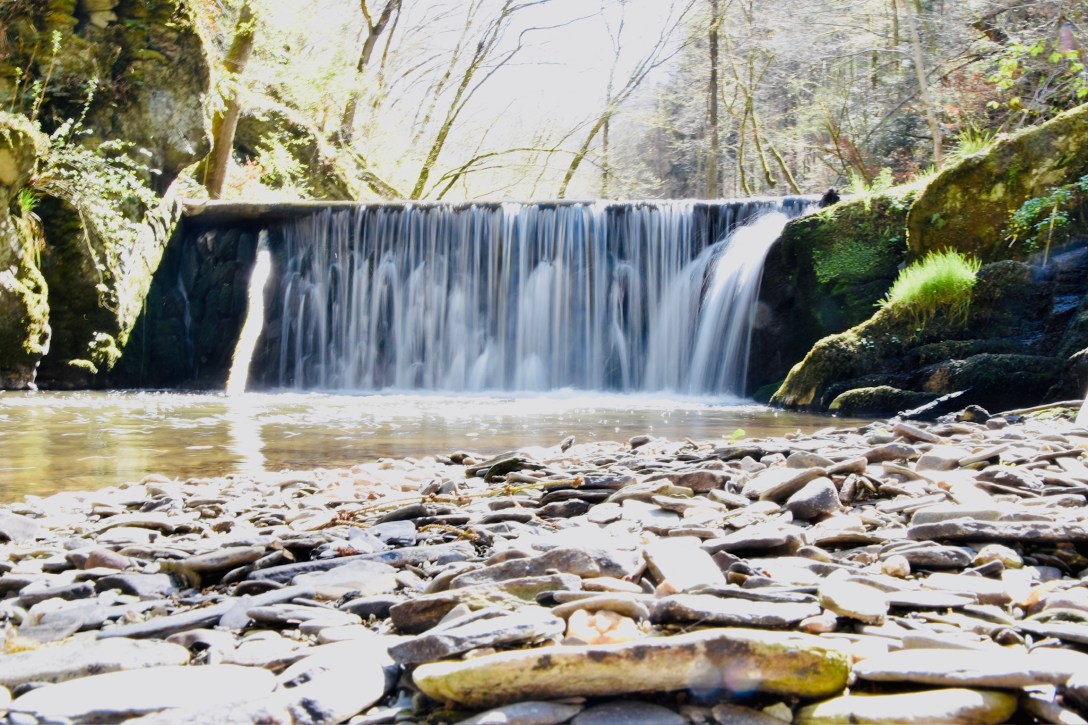
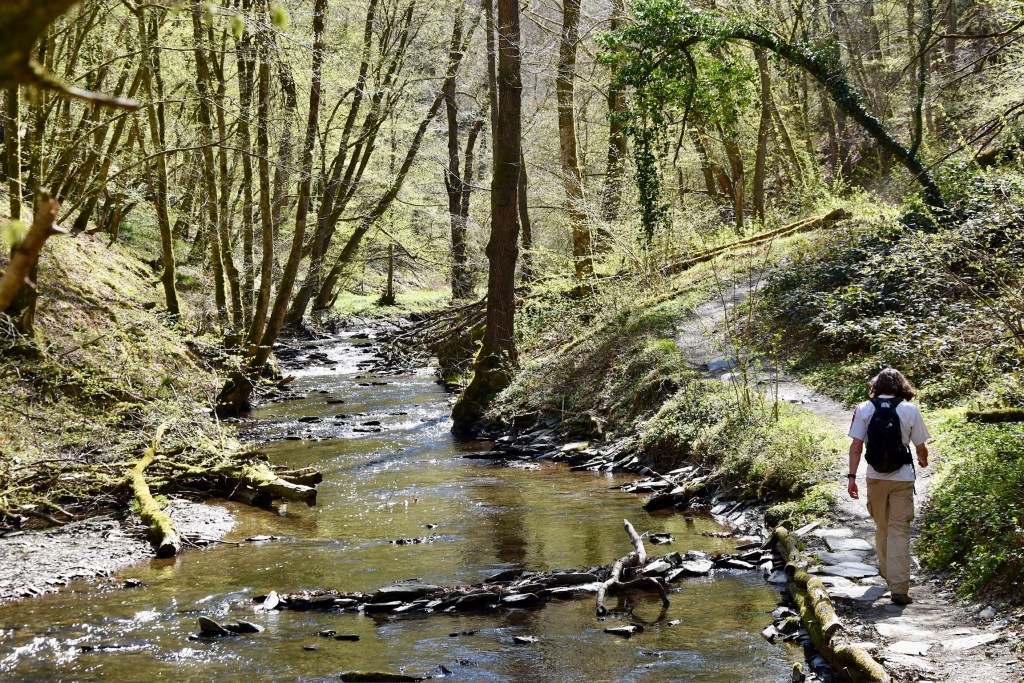
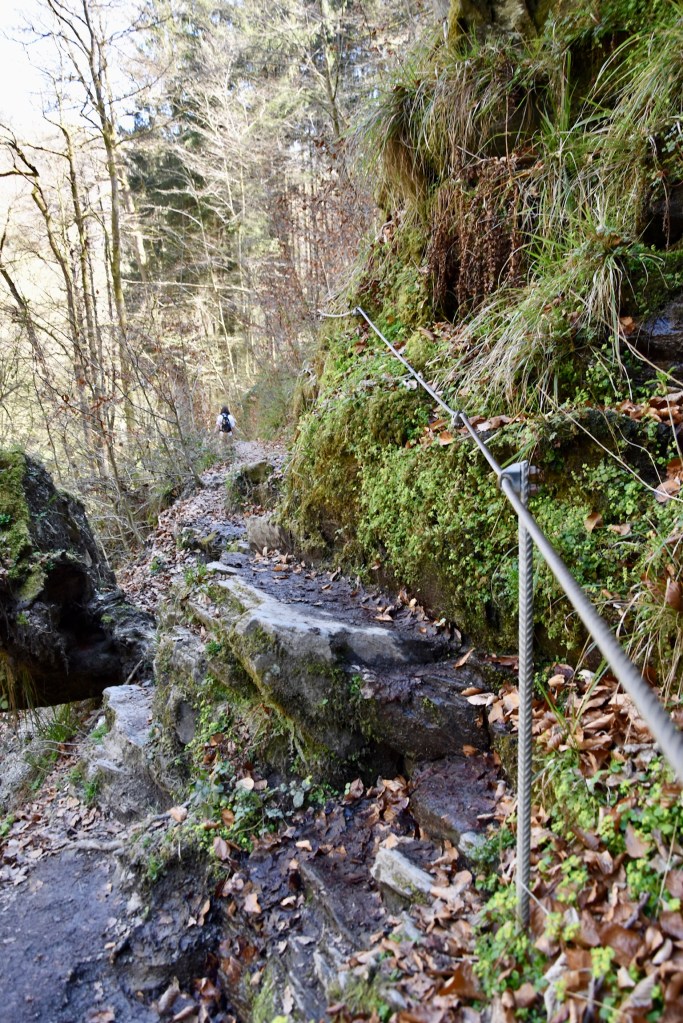
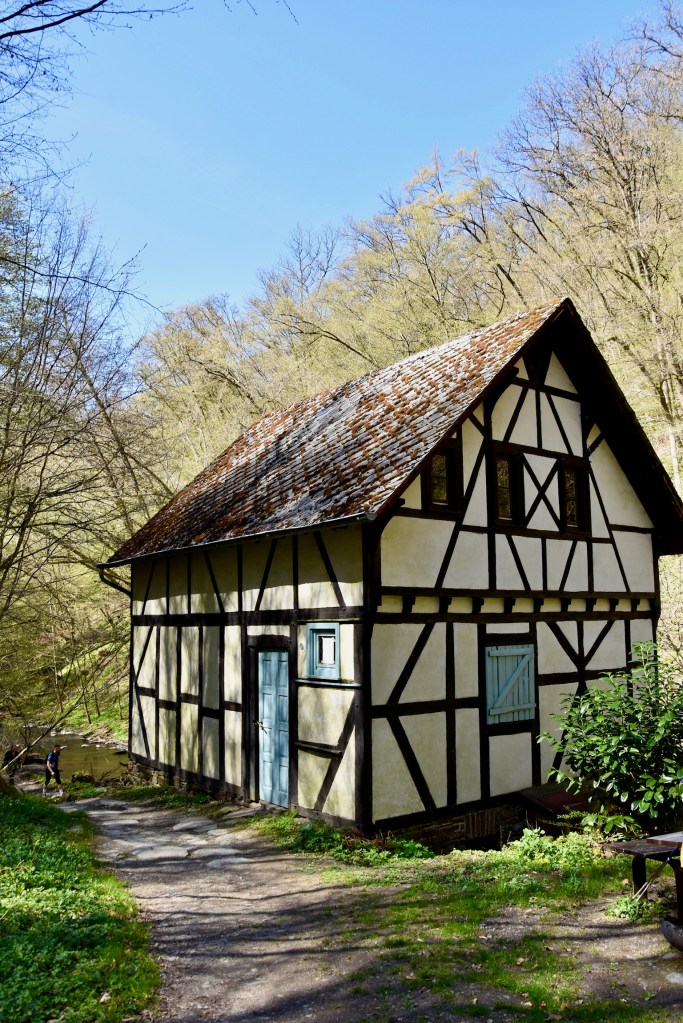
From the hamlet of Steffenshof the trail dives down into the forest once again, and this is where the “Erlebnispunkte” for scenic beauty really start to stack up. A long section along the Baybach Valley takes the hikers alongside an idyllic stream, past waterfalls, historical slate mines, water mills and information boards about local history and legends. More difficult sections are traversed using a system of guiding ropes, the excitement of which sends that Erlebnispunkte score skyrocketing.
There are huts and benches galore and even a buzzing rural restaurant with fresh locally-sourced fish on the menu and happy hikers resting weary limbs with overflowing beer on the terrace; it’s all wonderfully German and adds yet more resounding ticks into those rapidly-filling Erlebnispunkte boxes.
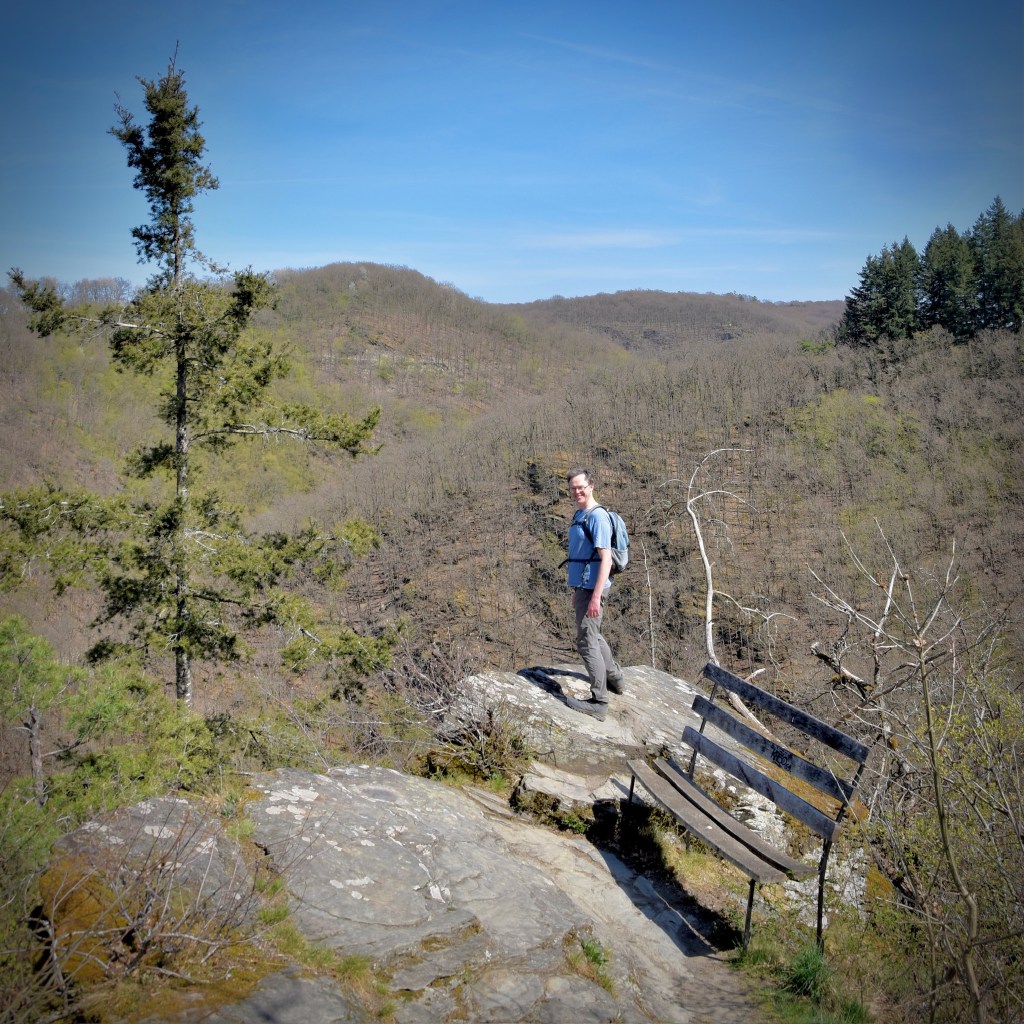
Just about the only thing missing from the checklist so far is magnificent viewpoints, but the Baybachklamm trail gets those in towards the end too (of course it does). The Barreterlei viewpoint confirms categorically what my son and I had noticed right from the beginning: despite being 2 hours from Luxembourg, this area bears a remarkable resemblance to our very own Eislek region.
Another viewpoint almost at the end of the trail gives a magnificent bird’s eye view of the Baybachtal valley. In between – and they’re surely going to lose a point for this! – there wasn’t even a hint of a castle at the “Burgblick” viewpoint. This was one of two (minor) disappointments along the trail, the other being that all information boards were only in the German language; I feel that a trail this good has international appeal and therefore could also cater for visitors who may not necessary be fluent in German.
So is the “Traumschleife Baybachklamm” the best hike I’ve ever done? Well, no, of course not, but it is a wonderful, truly magnificent trail that is well worth the journey from Luxembourg.
But the feeling that I can’t quite shake is: surely there is more to hiking than “Erlebnispunkte“? In addition to all the quantifiable, measurable factors that can be “ticked off” a list, a hiking experience is also a combination of a gazillion intangible, highly personal aspects. Or, in the words of William Bruce Cameron (and popularised by Albert Einstein):
Not everything that can be counted counts, and not everything that counts can be counted.”






 Luxembourg Outdoors