When it comes to hiking trails, Luxembourg is better known for castles and forests than for factories. But hidden in its hills and valleys are traces of another story: disused iron mines, quarries, mills, railways and more. Today these can be rediscovered on routes that double as journeys into history.
These five trails (from four different regions of Luxembourg) are all easily accessible, family-friendly… and full of surprises. For more info on any, click on the title or the highlighted text.
1) Minett Trail Pétange to Fond-de-Gras
5.5km one-way – Minett – easy / medium
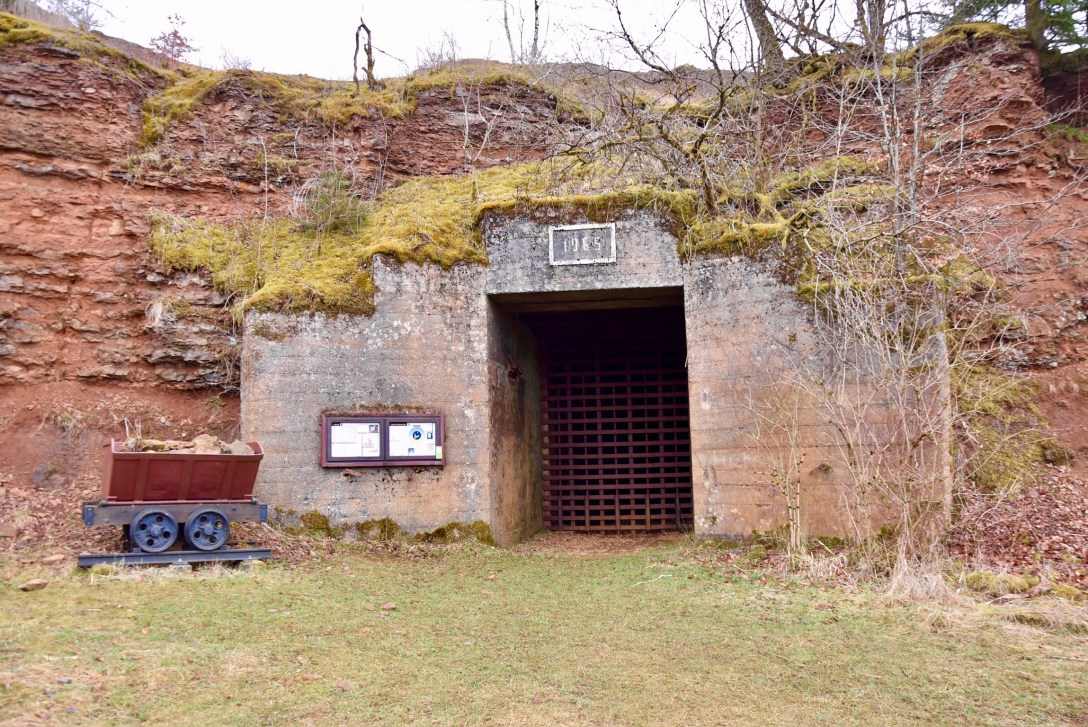
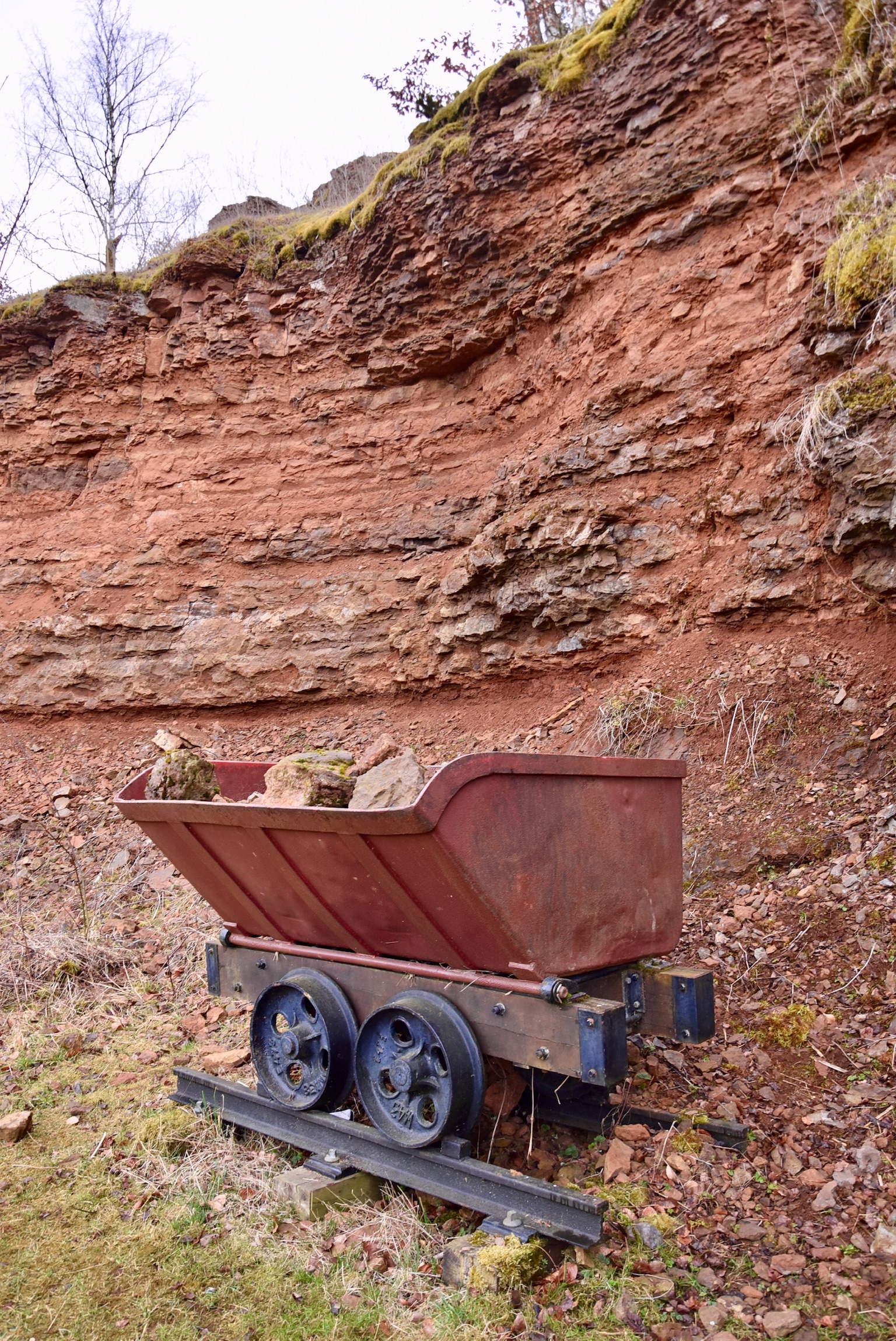
A family-friendly classic. Start off from Pétange Gare and make your way through the intriguing Giele Botter, previously an open-pit mine but now a nature reserve home to astonishingly diverse flora and fauna. It’s fascinating to see how nature is reclaiming the scars of decades of mining.
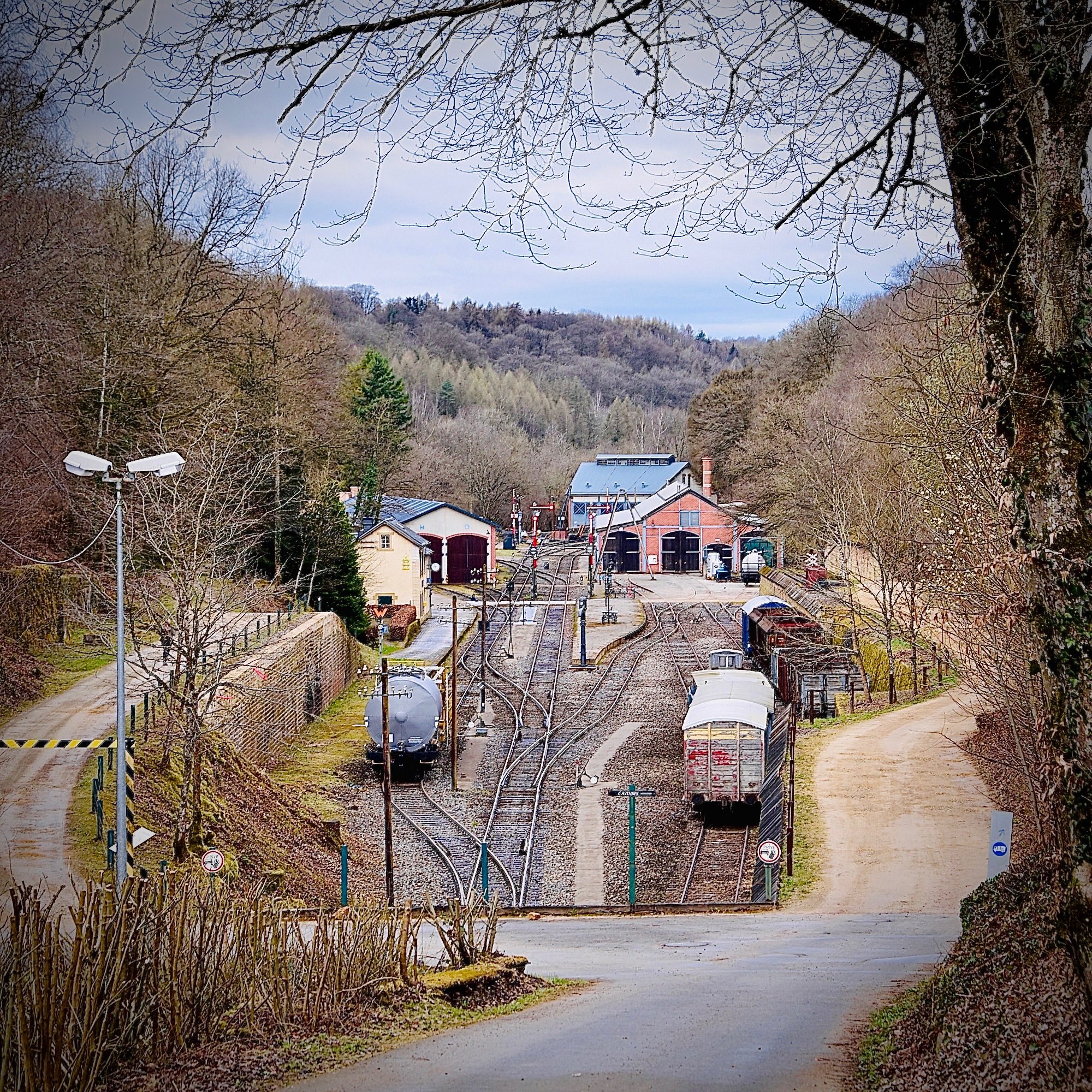
And it gets better! After arriving and exploring the beguiling Fond-de-Gras industrial site (food/drink available), you can ride the Train 1900 steam engine back to Pétange again. Choo choo!
(Important note: Train 1900 runs on certain days only: Check here before setting off).
More info (including a possible extension to your hike) here.
2) Auto-Pédestre Steinfort
10km – Guttland – easy / medium
This area played an pioneering role in Luxembourg’s early flirtations with iron processing. A walk through it today is a voyage of surprise and discovery, with ruins of furnaces, long-abandoned buildings, railway remnants and slag heaps hidden in the woods.
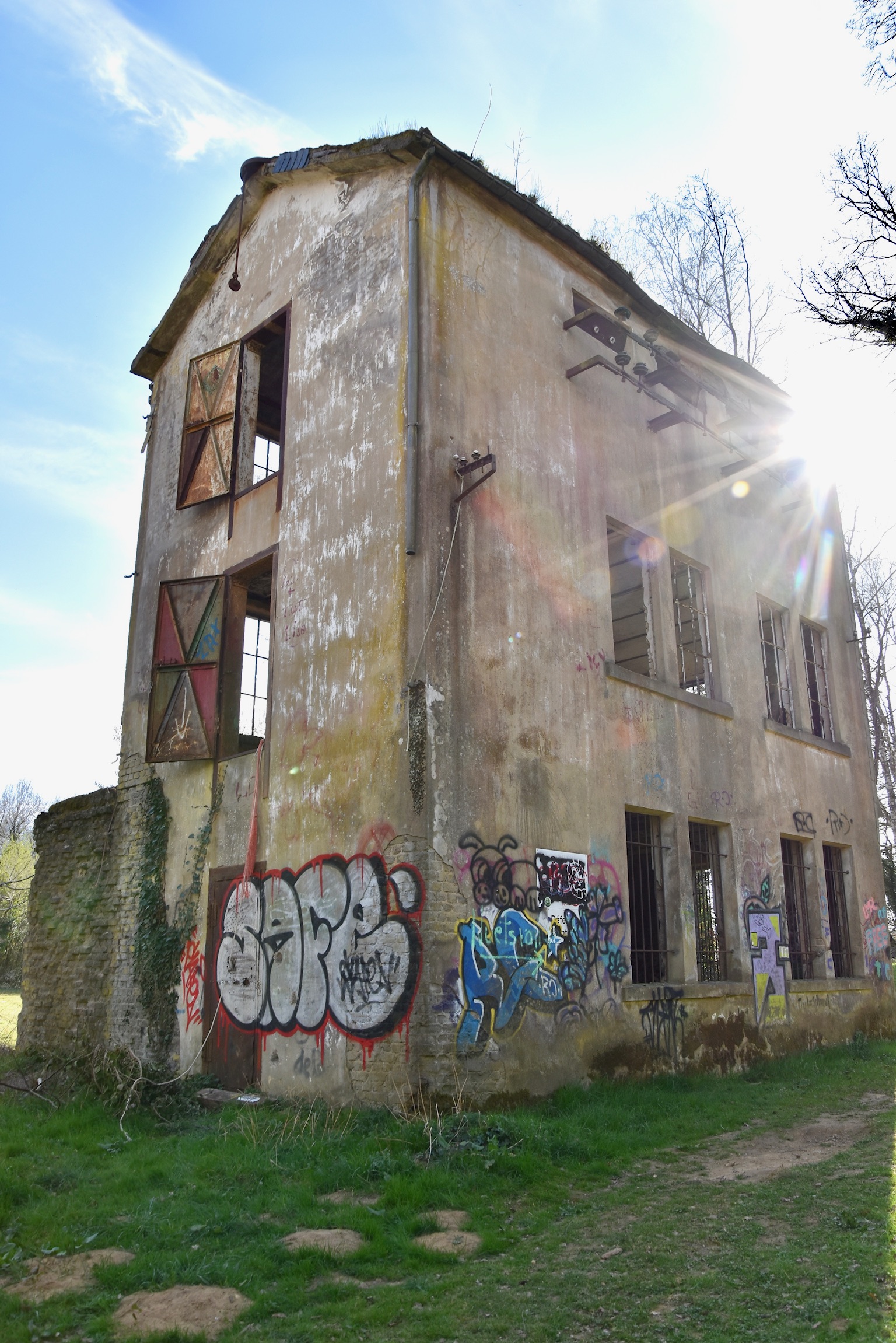
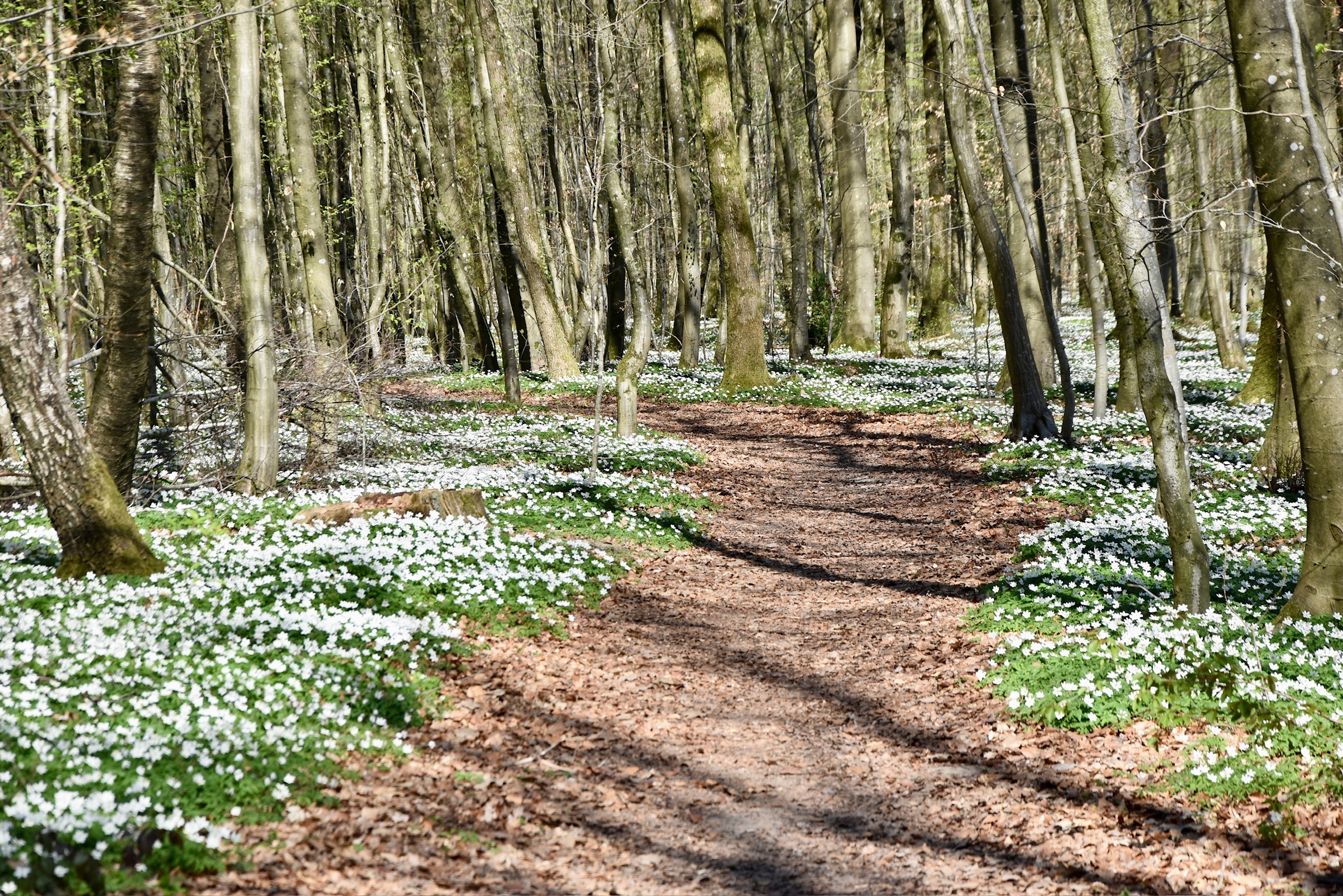
This well-marked “Auto-Pédestre” straddles both sides of the Luxembourg / Belgium border. It’s the longest of these five featured hikes, yet also one of the easiest, with no steep or rocky sections. If you visit in spring you’ll be treated to a magnificent sea of shimmering wood anenomes, which adds even more magic to an already-fascinating hiking trail.
3) Minett Trail Differdange to Rédange
8km – Minett – intermediate
If the scars of industry in Steinfort are subtle but edgy, here they are much larger and in-your-face. Open-cast pits, red plateaux and remnants of old railway lines define this classic section of the “Minett Trail”.
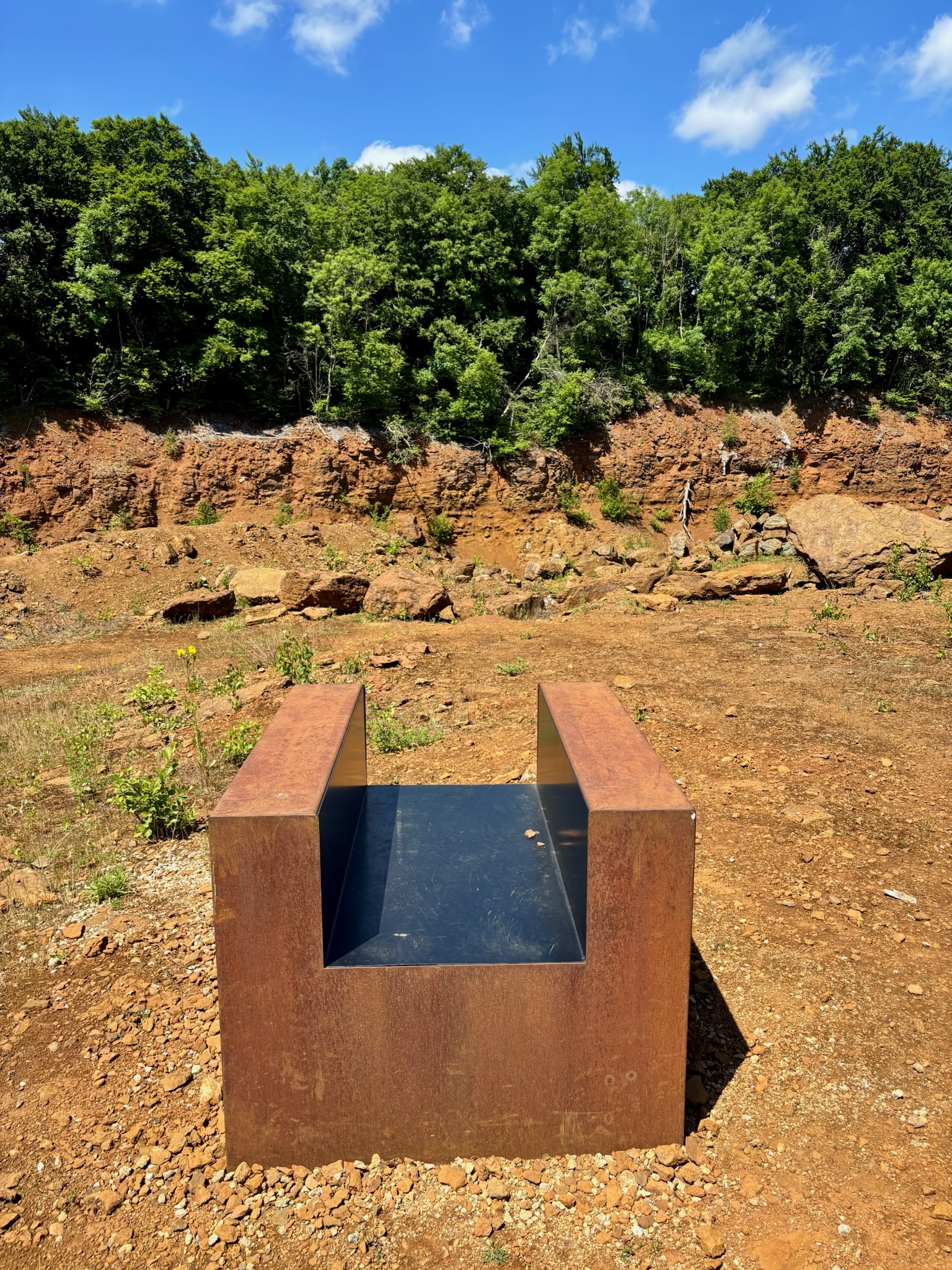
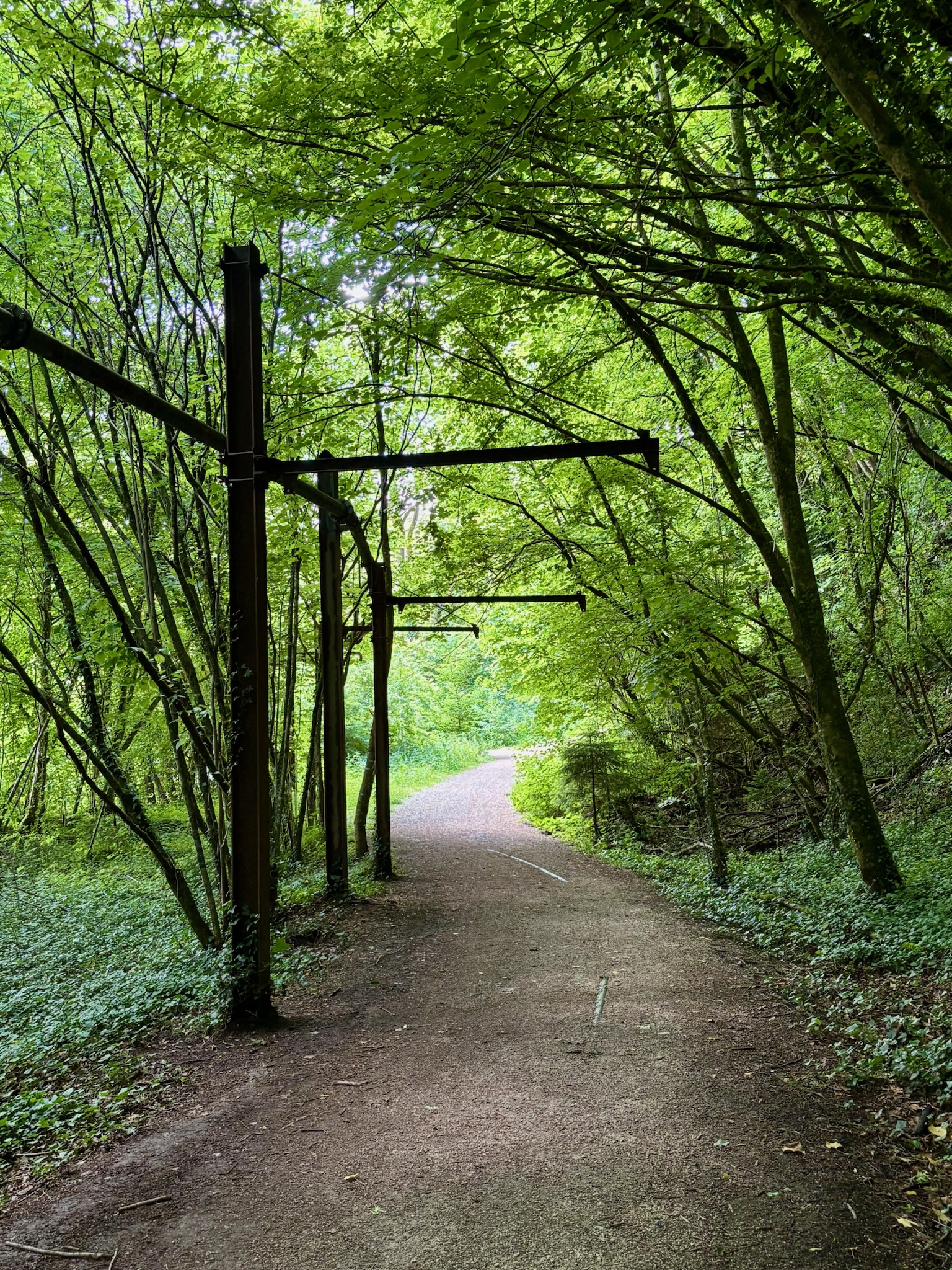
Paradoxically, this trail feels simultaneously dramatic yet understated: walking it gives a clear impression of a broken landscape where thousands once toiled and sweated, yet the return of nature somehow softens the wounds. Luxembourg’s industrial heritage in its most vivid form.
Note that this is a one-way hike; from Rédange, take the train back to Differdange again. More info here.
4) Eislek Pad Gilsdorf
8km – Eislek – intermediate
A climb through woodland from the centre of Gilsdorf (near Diekirch) brings you to a curious, magical place. Bring a picnic, because you are going to want to linger here.
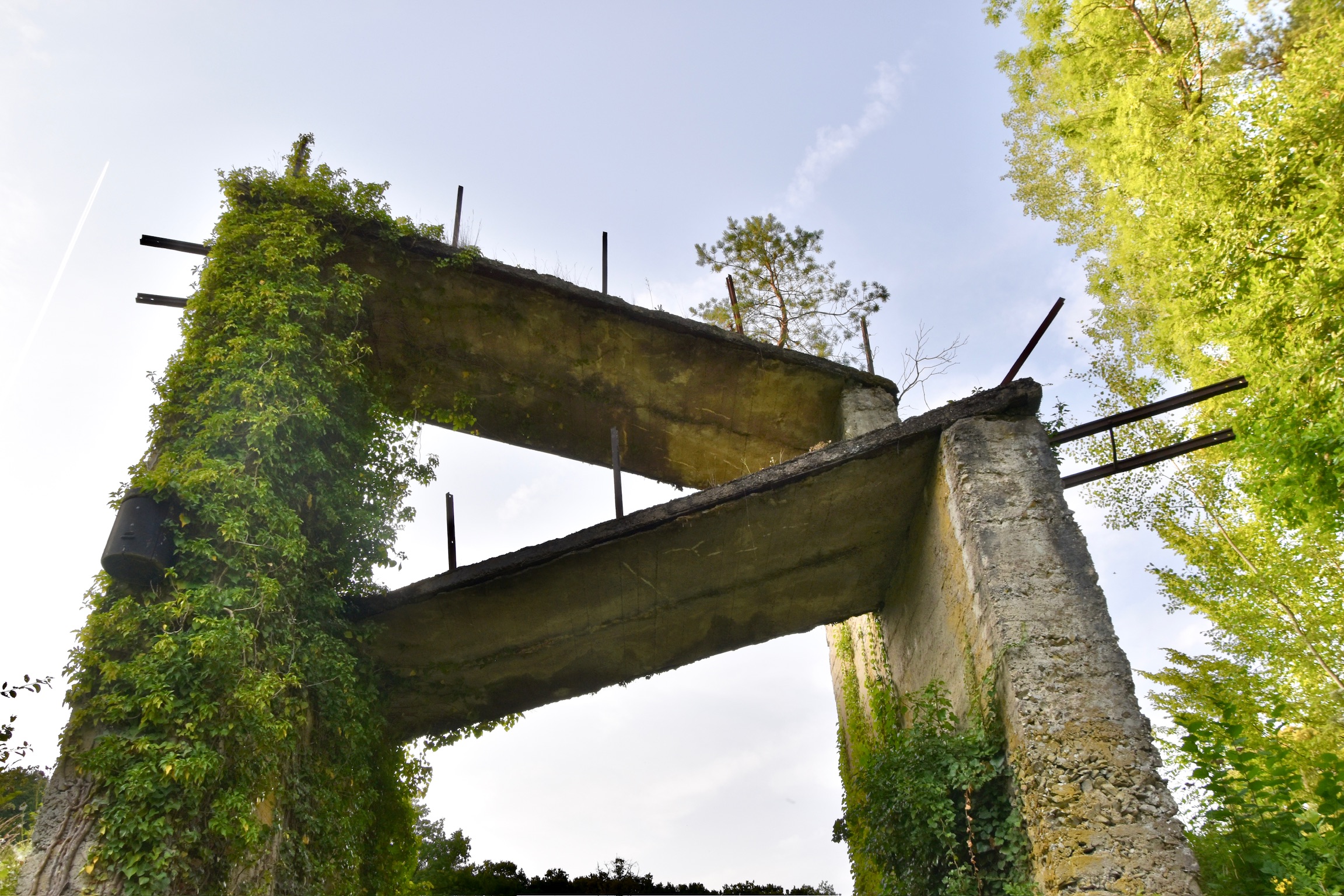
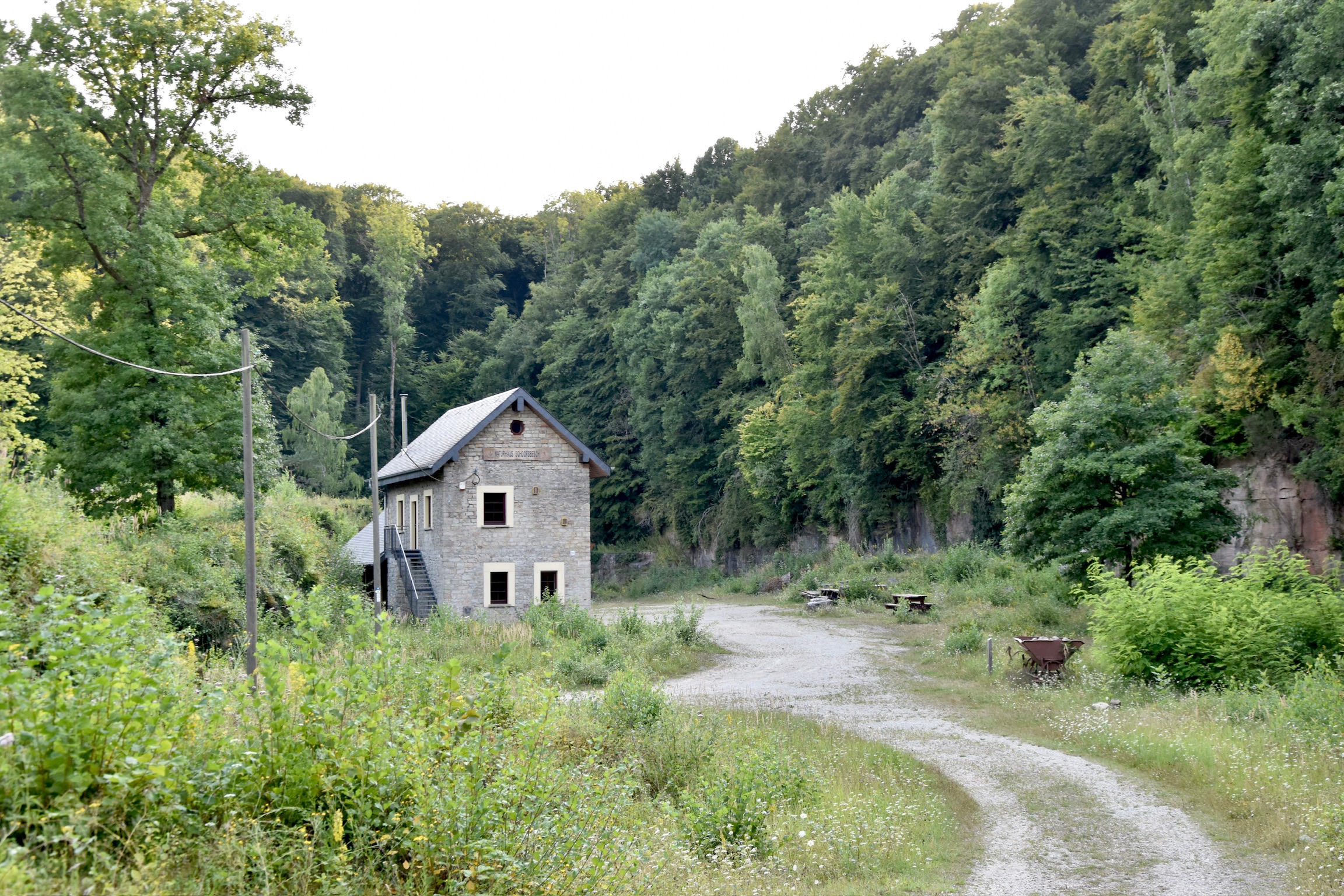
This is the Schoofsbësch. I consider it one of Luxembourg’s loveliest places: a hidden nature reserve built from the bones of a quarry, now lost to time in tranquil woodland. Whilst this place once reverberated with the sounds of heavy machinery, it has now fallen silent save for the buzzing of the insects and the soft breeze rustling the wildflowers. It’s beautiful, it really is.
5) Manternacher Fiels
6km and 10km – Moselle – intermediate
There are two different trails to choose from here, both starting / finishing directly at Manternach train station, and both showing an astonishing diversity of nature, landscapes… and subtle echoes of Luxembourg’s industrial past.
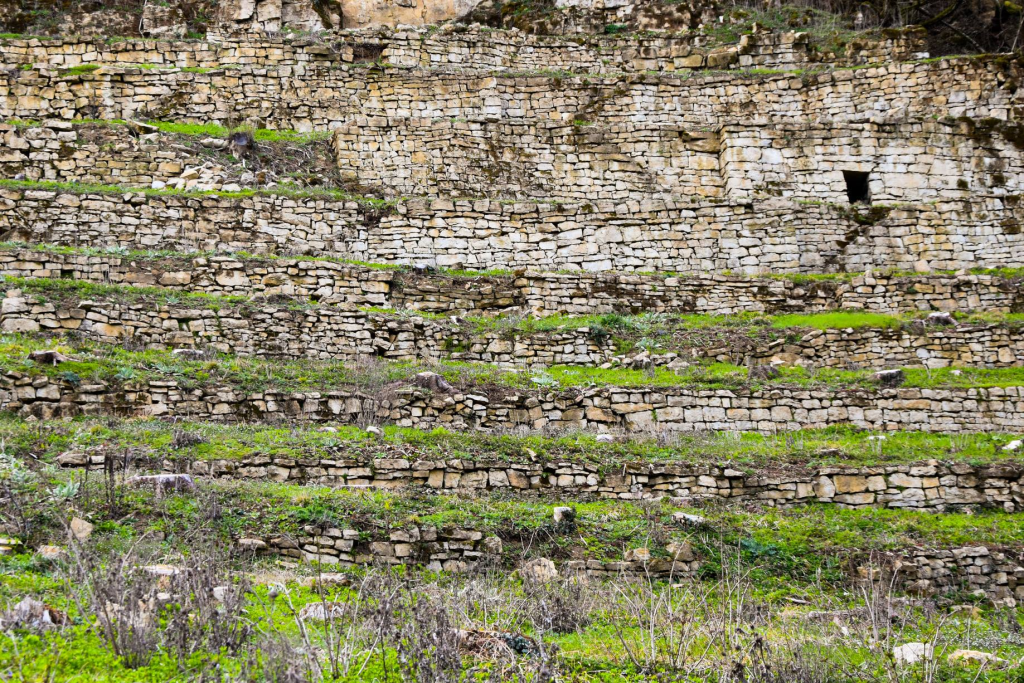
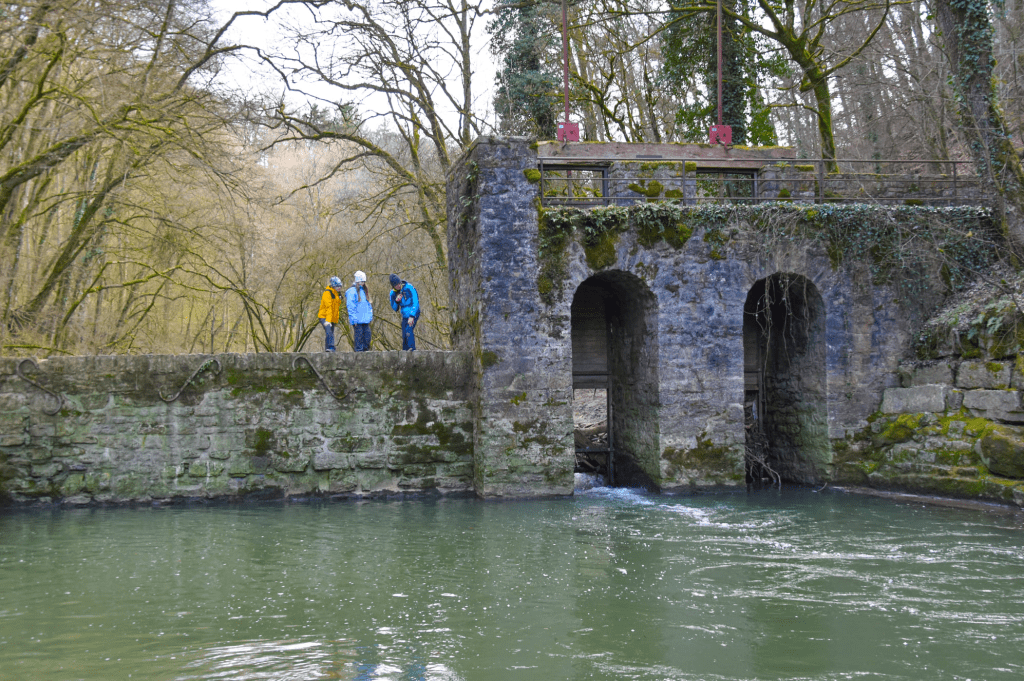
There are all sorts of industrial heritage sights to see on these trails, which I count among the very best in Luxembourg. Highlights include the old vineyards, the ever-present railway (still in use), an abandoned paper mill and a canal system powered by the gushing waters of the Syre river. Add in viewpoints, forest and plenty of resting places, and you have one heck of a hiking trail.
Highly recommended! More info here.
There are so many industrial heritage trails in Luxembourg; I am fully aware that I have only scratched the surface here. Tell me your favourites in the comments below or by direct message and I’ll check them out. Enjoy!
All photos and text (c) 2025 Jonathan Orr

 Luxembourg Outdoors